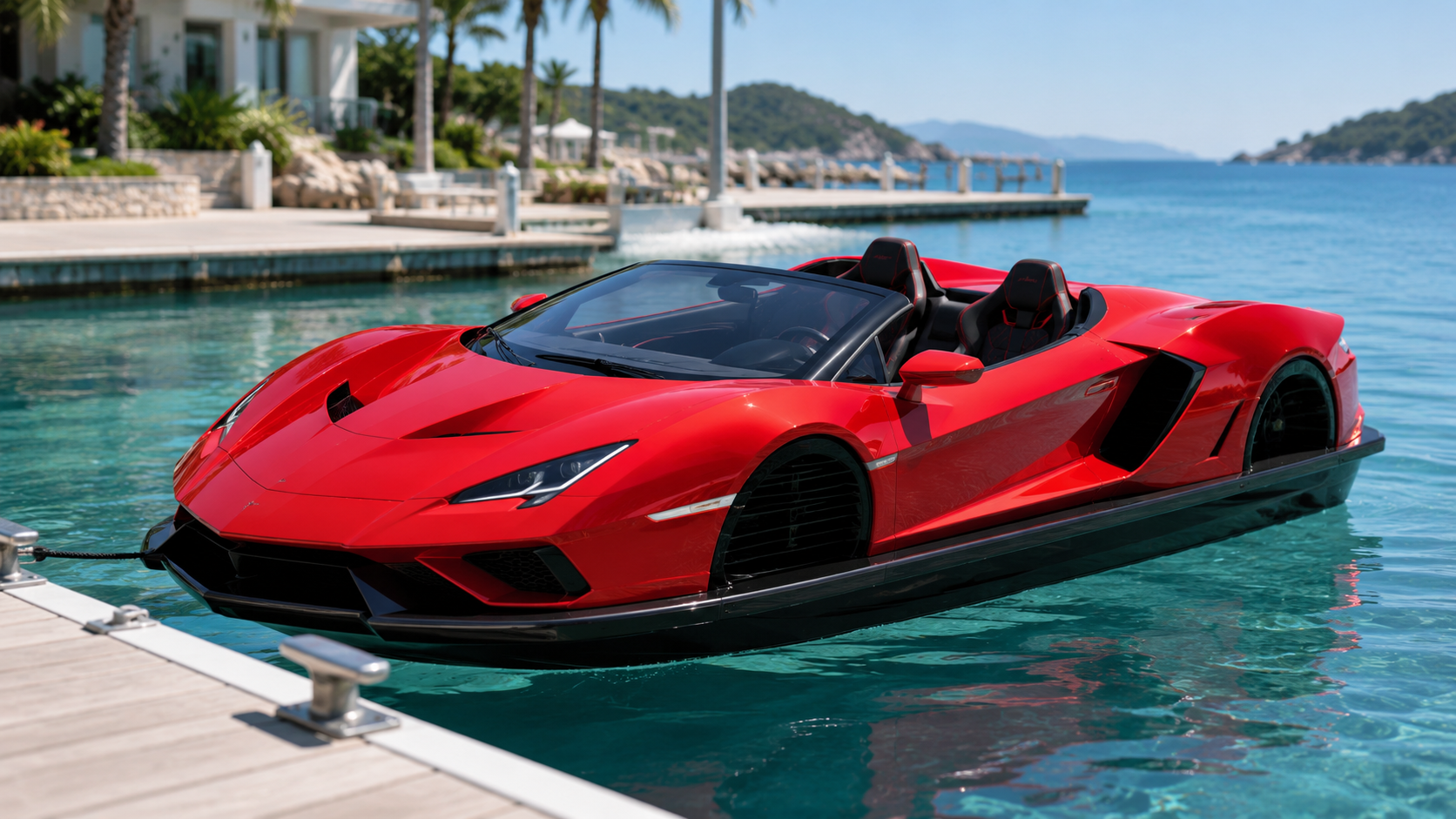
A water jet car and a jet ski are both used for recreational water activities, but their design, passenger layout, driving style, and commercial applications are different.
A jet ski is built around a compact personal watercraft platform with a straddle seat and handlebar steering. A water jet car uses a car-style body, cockpit seating, steering wheel controls, and jet propulsion to provide a different format for driving on the water.
For resorts, water parks, beach clubs, hotels, tourist attractions, and rental businesses, the main consideration is not simply which one is faster. The equipment should fit the target customers, operating site, rental model, and existing water sports activities.
Different Designs Create Different Riding Experiences
Jet skis are designed primarily around the personal watercraft experience. The rider sits above the hull, controls the craft through handlebars, and has direct exposure to the water. Speed, maneuverability, and active riding are central to the experience.
A water jet car has a different layout. The driver sits inside a cockpit and uses a steering wheel. Depending on the model, there is also dedicated passenger seating, allowing two or more guests to take part in the same ride.
For commercial operators, this difference affects the customer groups that can be served.
Jet skis are well suited to customers specifically looking for personal watercraft and high-speed riding. Water jet cars can also be offered to couples, families, hotel guests, and tourists who prefer a seated driving experience or want to share the activity with a passenger.
The body design also affects how the equipment is presented at a commercial site. A water sports car has the appearance of a sports car rather than a conventional personal watercraft, making the product easy to identify at beaches, marinas, resorts, and waterfront attractions.
This distinction is particularly useful where operators already offer jet skis and want to introduce another type of water activity without simply adding more units of the same equipment.
Comparing Water Jet Cars and Jet Skis as Rental Products
Jet ski rental is already a mature business in many coastal and tourist markets. Customers understand the product, and established operators often have existing procedures for rental duration, instruction, safety management, and riding areas.
This makes jet skis suitable for businesses focused primarily on personal watercraft rental.
A water jet car can be positioned differently. Instead of being limited to the same rental format, operators can build activities around the cockpit layout and passenger capacity.
Depending on the location and local regulations, common commercial formats may include short driving sessions, couple rides, private rentals, scenic waterfront rides, or premium water sports packages.
The difference can be summarized from an operating perspective:
| Commercial Factor | Water Jet Car | Jet Ski |
|---|---|---|
| Product format | Car-style watercraft | Personal watercraft |
| Driving position | Cockpit seating | Straddle seating |
| Steering | Steering wheel | Handlebars |
| Passenger experience | Suitable for shared rides | Primarily active riding |
| Market familiarity | Emerging category | Established category |
| Rental positioning | Experience / premium rental | Standard water sports rental |
| Visual differentiation | High | Familiar |
| Typical commercial role | Adds a new activity category | Core PWC rental product |
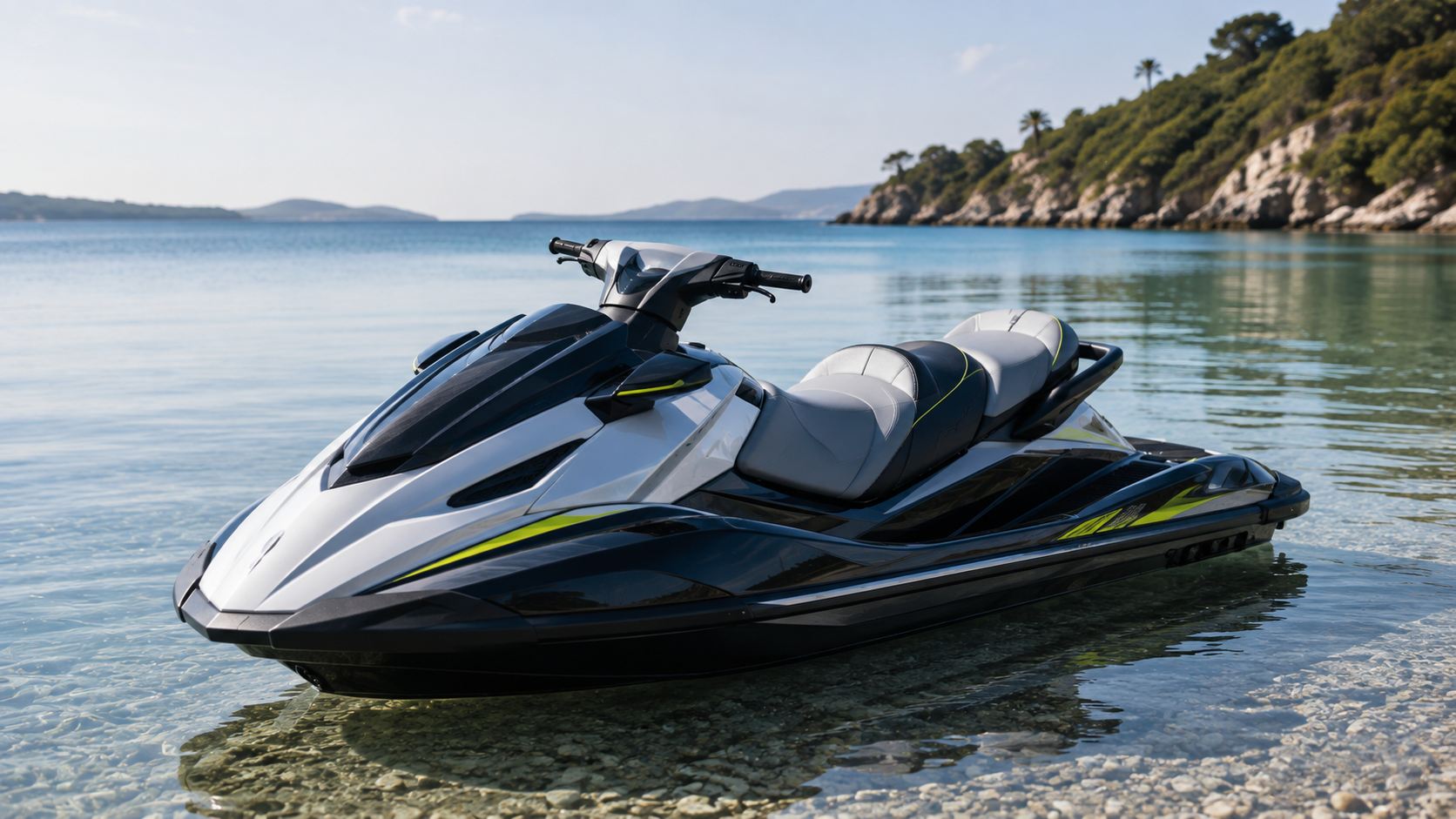
For an existing rental business, the two products do not necessarily need to compete with each other.
Jet skis can remain part of the core fleet for customers specifically looking for personal watercraft. Water jet cars can be introduced as a separate activity with different pricing, passenger arrangements, and rental durations.
This gives operators a broader product mix without changing the role of their existing jet ski fleet.
Where a Water Jet Car Fits in Commercial Operations
The value of each product depends heavily on the operating environment.
For a dedicated beach rental company, jet skis may account for a large part of existing demand. Adding water jet cars can expand the range of activities available to customers rather than replacing established equipment.
At resorts and hotels, water sports are often part of the overall guest activity program. In this setting, passenger capacity and ease of participation can be important. A couple or two guests can share one water jet car, making it suitable for recreational sessions that are not focused entirely on high-speed individual riding.
Beach clubs and tourist attractions can use the product in a similar way. The car-style body is clearly different from conventional watercraft and can be displayed near the waterfront as part of the attraction.
For water parks or controlled tourist sites, operators may use shorter sessions within a defined operating area. Rental businesses operating in larger open-water areas may prefer longer private sessions.
The same equipment can therefore support different commercial models depending on the site.
Brand customization is another consideration for commercial projects. Body colors, graphics, logos, and selected interior details can be specified to match the identity of a resort, rental company, beach club, or distributor.
For operators managing several types of water sports equipment, this can make the water super car a clearly identifiable product category within the fleet.
What Buyers Should Check Before Adding a Water Jet Car
Commercial buyers should evaluate the product according to the intended operating conditions rather than appearance alone.
The first consideration is the site itself. Water conditions, launching access, docking space, storage, operating area, and local regulations should be checked before selecting a model.
The equipment configuration should also match the planned rental service. Buyers should confirm passenger capacity, dimensions, engine and jet propulsion configuration, fuel requirements, operating speed, and recommended water conditions.
For commercial use, maintenance and spare parts support are equally important. Equipment may operate repeatedly during the tourist season, so buyers should understand routine maintenance requirements and the availability of replacement parts before placing an order.
The main points to confirm with the manufacturer include:
- Engine and jet propulsion configuration
- Passenger capacity
- Overall dimensions and weight
- Recommended operating water conditions
- Fuel and routine maintenance requirements
- Common spare parts
- Technical support
- Body color and branding options
- Shipping and delivery requirements
Local requirements should also be confirmed before commercial operation. Registration, insurance, operator qualifications, passenger rules, and permitted operating areas can vary by country and destination.
A supplier can provide equipment specifications and technical documentation, but the operator should verify the applicable rules with local authorities.
Water Jet Car and Jet Ski Can Serve Different Customers
For businesses focused on traditional personal watercraft rental, jet skis remain an established product with strong customer recognition.
A water jet car is better viewed as an additional water sports category rather than a direct replacement.
Its cockpit seating, steering wheel operation, passenger layout, and car-style body allow resorts and rental operators to offer an experience that differs from conventional personal watercraft.
For a resort, it can become part of the guest activity program. For a beach club or tourist attraction, it can provide a distinctive waterfront activity. For an established water sports rental company, it can expand the fleet into a different type of rental product.
The purchasing decision should therefore be based on the intended customers, operating water, rental format, passenger requirements, and the activities already available at the site.
In markets where jet ski rental is already common, adding a water jet car gives operators another way to expand their water sports offering without simply increasing the number of conventional personal watercraft.
Questions Commercial Operators Should Ask
Can a water jet car replace a jet ski fleet?
Usually, no. Jet skis serve guests who actively seek personal-watercraft riding. A water jet car can complement that fleet with a shared, cockpit-based activity that has its own briefing, session length, and pricing.
What should be confirmed before a commercial purchase?
Confirm the final configuration, rated passenger capacity, dimensions, maintenance plan, spare-parts support, launch and storage arrangements, local permissions, insurance, and operator requirements for the intended site.
Are safety requirements the same in every destination?
No. Registration, insurance, operator qualifications, passenger rules, and operating areas vary by jurisdiction. The U.S. Coast Guard’s life-jacket guidance says recreational vessels need an approved wearable PFD for each person aboard; commercial and local requirements may differ. Verify the rules with the authority at the operating location.
LURKY is a manufacturer and supplier of water jet cars for private and commercial projects. Review the current water supercar models or discuss a commercial project with the LURKY team.
Editorial scope: prepared by the WaterSuperCars editorial team. Published August 2026. Product details are subject to final configuration and local operating conditions; operators remain responsible for local compliance and safe operation.